From University Theatre to National Recognition: Vikram Kumar B R’s Stage Journey
Theatre can become an important training ground for artists who later build careers across multiple areas of the performing arts. For Vikram Kumar B R, widely known as Bathina Vikram Goud, his years at Andhra University provided such a foundation, helping him develop experience in acting, direction, stage presentation and dramatic storytelling.
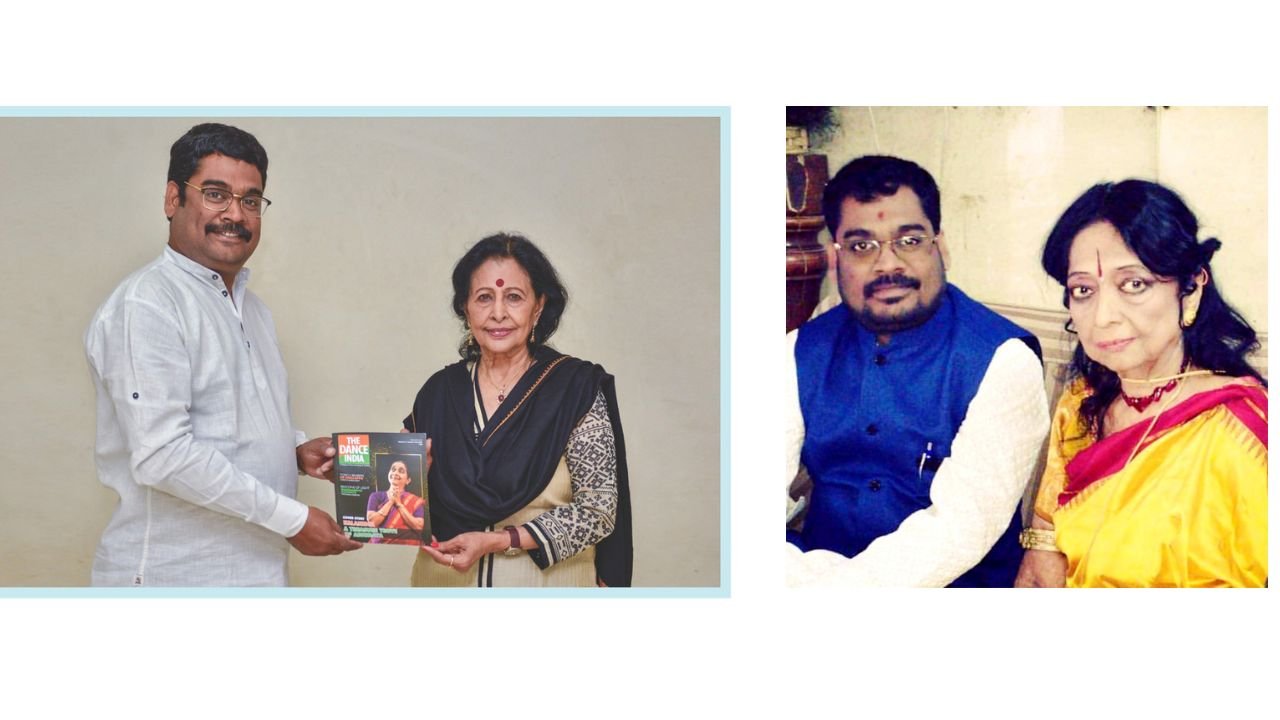
Today, Vikram Kumar is associated with Kuchipudi performance, choreography, cultural organisation, research, festivals and arts documentation. Behind this diverse career is a substantial period of theatre involvement that began during his university years and continued for approximately a decade.
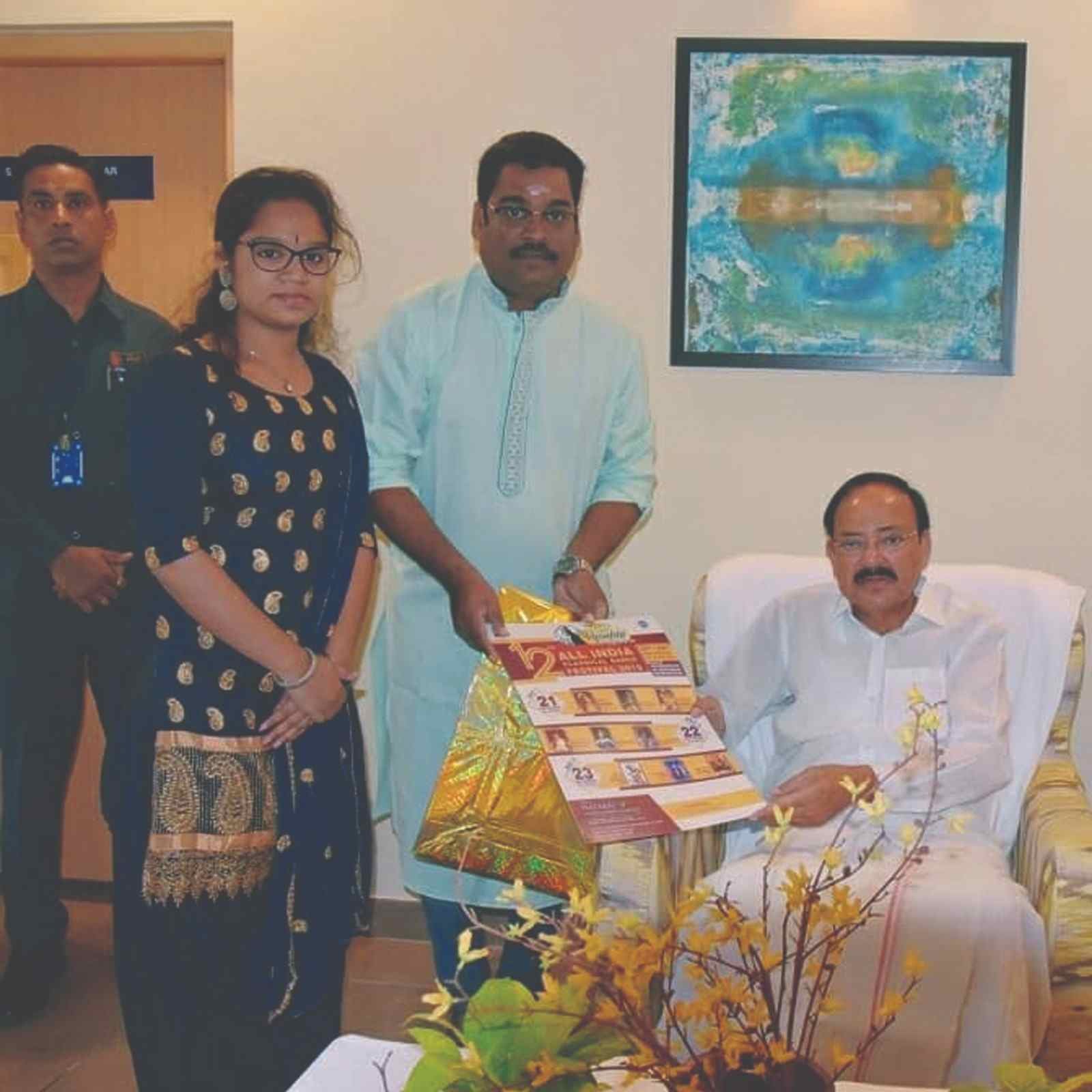
A Performer Shaped by Multiple Disciplines
Vikram Kumar’s artistic journey began in childhood, with strong encouragement from his father. His primary discipline became Kuchipudi, but his interests soon expanded beyond dance.
At Andhra University, he pursued higher education in Kuchipudi and completed a Master of Arts with distinction. His university years also became an opportunity to explore theatre more deeply.
He completed Diplomas in Acting and Direction, giving him formal exposure to two important areas of theatrical production.
Acting taught him to approach performance from the perspective of character, emotion and expression. Direction required him to look at the entire production, including performers, movement, timing and presentation.
The combination proved valuable in shaping his later approach to choreography.
A Decade in Theatre Arts
Vikram Kumar contributed to the Department of Theatre Arts at Andhra University for around ten years.
During this period, he participated in productions covering mythological, social and philosophical themes.
The diversity of these productions exposed him to different approaches to storytelling.
Mythological plays demanded sensitivity toward established cultural narratives. Social dramas required performers to engage with contemporary situations, while philosophical productions required a deeper focus on ideas, emotions and human questions.
Working across these categories helped broaden his understanding of performance beyond the technical requirements of dance.
Acting and Direction as Complementary Skills
For a classical dancer, the ability to communicate through expression is fundamental. Theatre can strengthen that ability by placing the performer inside a structured dramatic narrative.
Vikram Kumar’s acting experience gave him practical knowledge of character portrayal and stage interaction. His training in direction added another layer by teaching him how individual performances contribute to the larger production.
These skills later became particularly relevant when he began developing thematic dance productions.
A large-scale dance ballet requires many of the same organisational and dramatic principles as theatre: a coherent storyline, performer coordination, stage movement, timing and audience engagement.
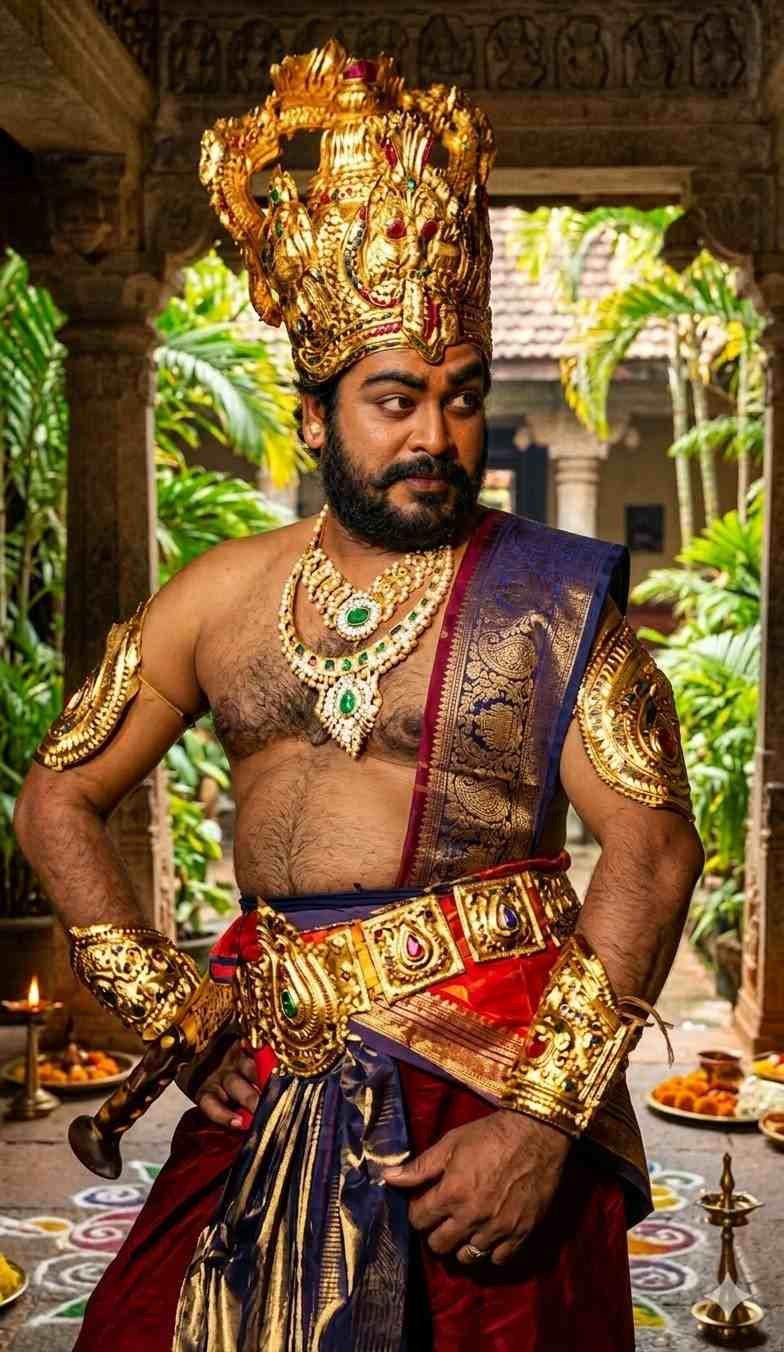
Recognition During Dr. A.P.J. Abdul Kalam’s Visit
Vikram Kumar’s university stage work gained attention during significant institutional events.
His acting and directorial accomplishments attracted recognition during the official visit of former President of India Dr. A.P.J. Abdul Kalam to Andhra University.
His work also received attention during visits by UGC and NAAC inspection committees.
Such occasions placed university theatre activities before distinguished visitors and institutional representatives.
For a young artiste, these performances provided an important opportunity to demonstrate how university-level theatre could combine artistic training with disciplined stage presentation.
From Theatre to Thematic Ballets
The lessons learned through theatre eventually became part of Vikram Kumar’s work as a choreographer.
Rather than restricting himself to solo dance presentations, he began developing productions in which classical dance became part of a larger dramatic narrative.
One of his notable works is Chenchu Lakshmi Narasimha Kalyanam, a thematic ballet based on the history and traditions associated with Lord Narasimha of Simhachalam.
The production combines Kuchipudi with traditional folk forms and has reportedly been staged at more than 150 venues across India.
Its large-scale presentation illustrates how his dance work moved toward a theatrical format requiring coordination between multiple performers and artistic elements.
Storytelling as a Common Thread
The connection between theatre and dance in Vikram Kumar’s career can be seen through his emphasis on storytelling.
His productions include Sri Krishna Leelalu, which explores mythological storytelling, and Maha Visakha Vaibhavam, which focuses on cultural themes.
Other works, such as Swachh Ganga – Swachh Bharat and Youth Never Sleeps, explore environmental and social subjects.
Across these productions, the common element is the attempt to communicate an idea through performance.
This reflects a theatrical understanding of the stage, where movement and expression serve a larger narrative purpose.
The Importance of Stage Experience
Years of theatre experience can provide performers with practical knowledge that cannot always be acquired through classroom instruction.
Performers learn how to respond to different audiences, manage stage situations, work within a group and maintain concentration during live performances.
Directors learn to coordinate people and artistic resources while keeping the central purpose of a production in focus.
Vikram Kumar’s decade-long theatre involvement therefore became an important part of his professional development.
From Performer to Institution Builder
His stage career eventually expanded into cultural institution building.
In 2000, Vikram Kumar founded the Nataraj Music and Dance Academy, creating a dedicated platform for cultural education and artistic activities.
The academy has worked in areas including Kuchipudi, Indian folk traditions, Indian classical music and instrumental music.
Its activities have included workshops, seminars, competitions, festivals and cultural programmes.
This represented a significant transition in his career: from participating in productions to creating opportunities through which other artists could learn and perform.
Building Larger Cultural Platforms
Vikram Kumar’s later festival initiatives also reflect lessons learned through years of stage activity.
His cultural work has included platforms such as Vysakhi Nrithyotsav, Bharat Nrithyotsav, Nataraj Nrithyotsav, Sathyabhama Yuva Nrithyotsav and other festival programmes.
Such events require an understanding of performers, audiences, stage presentation and programme structure.
The experience gained through theatre could therefore be applied at a much larger organisational level.
Theatre and Cultural Preservation
Vikram Kumar’s stage journey is also connected with his larger concern for preserving Indian cultural heritage.
He has advocated preserving not only individual dance movements but the broader knowledge surrounding classical arts, including repertoire, literature, choreography, music, gurus, practitioners and performance traditions.
Theatre plays a role in this ecosystem because many traditional stories and cultural values have historically been transmitted through performance.
When such narratives continue to appear on stage, they remain accessible to audiences and younger generations.
Preparing for a Broader Artistic Role
The university years gave Vikram Kumar an opportunity to develop several complementary skills.
Kuchipudi provided the classical foundation. Theatre added acting and direction. Academic research developed his analytical approach, while later cultural organisation gave him experience in building platforms for other artists.
These strands eventually came together in his career as a choreographer, festival director, editor and cultural organiser.
His journey demonstrates how an artist’s professional identity can evolve through exposure to different disciplines without abandoning the original artistic foundation.
A Stage Journey That Continued Beyond the Stage
The theatre chapter of Vikram Kumar B R’s career did not end when his responsibilities expanded into other areas.
The principles learned through acting and direction continued to influence his approach to thematic choreography and cultural presentation.
His university theatre experience provided an understanding of how performance can combine artistic technique, narrative and audience communication.
From university stages to larger cultural platforms, the journey illustrates a gradual expansion of responsibility—from performing in a production to creating, directing, organising and documenting cultural experiences.
For Vikram Kumar, theatre became more than a chapter in his artistic education. It became one of the foundations for a wider career dedicated to Indian performing arts and the continued transmission of cultural knowledge to future generations.